
Includes: ● Keyword-rich content ● Industry trends ● CRM & CPM-friendly structure ● Optimized for ranking on terms like AI in architecture, cloud BIM, future of architects, architecture automation 2025
Introduction: The Rise of the Machine… and the Architect
The role of an architect is no longer confined to paper, pencil, and intuition. By 2025, we’re witnessing a seismic shift — powered not just by design, but by data, AI algorithms, and cloud-connected collaboration platforms. The digital revolution is now fully embedded in architectural practice, and it’s transforming everything — from concept sketches to site supervision.
So what does this mean for architects?
Are they being replaced — or reprogrammed for something greater?
Welcome to the age of AI-assisted creativity, cloud-based workflows, and automated precision — where architects are no longer just designers but also data interpreters, tech integrators, and strategic thinkers.
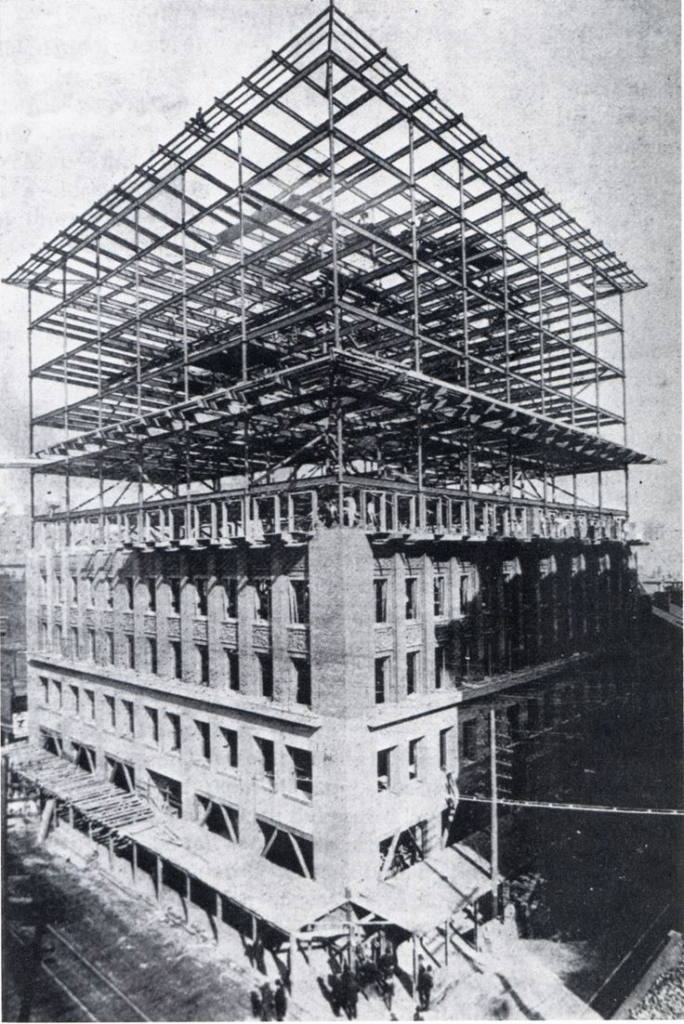
Chapter 1: A Changing Landscape – What’s Driving the Shift
● Digital-first clients are demanding faster, more adaptive solutions.
● Remote work has normalized cloud-based tools like BIM 360, Revit Cloud Worksharing, and Autodesk Construction Cloud.
● Generative design tools now propose 100+ iterations before a human touches the model.
● AI in urban planning, parametric tools, and ML algorithms are reshaping design thinking.
By 2025, more than 70% of medium to large architecture firms are investing in some form of AI-driven or cloud-based architecture workflows, according to Autodesk’s industry reports.
Chapter 2: How AI is Transforming the Architect’s Daily Work
Architects once spent weeks perfecting floor plans. Today, AI tools can generate and optimize 100+ layout options within minutes — based on data such as sunlight, noise levels, airflow, and user traffic flow.
● AI-Powered Space Planning – Tools like Spacemaker AI (now part of Autodesk) use real-time environmental data to suggest optimal layouts.
● Structural Optimization – Machine learning algorithms analyze stress points and recommend structural improvements.
● Energy Simulations – AI now predicts energy consumption patterns during the design phase using climatic and usage data.
● Design Validation – Instant code compliance checks, lighting calculations, and sustainability metrics are now AI-driven.
📌 Result?
Architects don’t draw plans — they curate them from hundreds of AI-generated alternatives.
Chapter 3: Cloud Tech – The Backbone of Architecture in 2025
Cloud computing isn’t just storage — it’s the invisible studio where every stakeholder works on the same model, in real time, from anywhere on Earth.
● Cloud BIM (Building Information Modeling) – Platforms like BIM 360, Trimble Connect, and Graphisoft BIMcloud allow 24×7 access to updated models across stakeholders.
● Version Control – Every revision is logged, timestamped, and instantly reversible.
● Multidisciplinary Coordination – Structural engineers, MEP consultants, and interior designers work on the same file concurrently.
● Site Integration – Drones send live data to cloud platforms, updating models with real-time progress.
📌 Impact?
No more emailing PDFs. No more coordination delays.
Cloud tech brings radical transparency and efficiency to the architectural workflow.
Chapter 4: Changing Roles – Architects as Digital Strategists
Here’s the biggest shift:
Architects are no longer just designers — they are now:
● Data curators – interpreting climate data, sensor inputs, and client behavior.
● AI collaborators – guiding and refining machine-generated outcomes.
● System architects – choosing and integrating the right digital tools.
● Client educators – helping clients understand algorithms, simulations, and predictive models.
● Ethical guardians – ensuring AI use doesn’t lead to biased, exclusionary design.
👉 A new term is emerging: “Augmented Architect” – one who designs with machines, not against them.
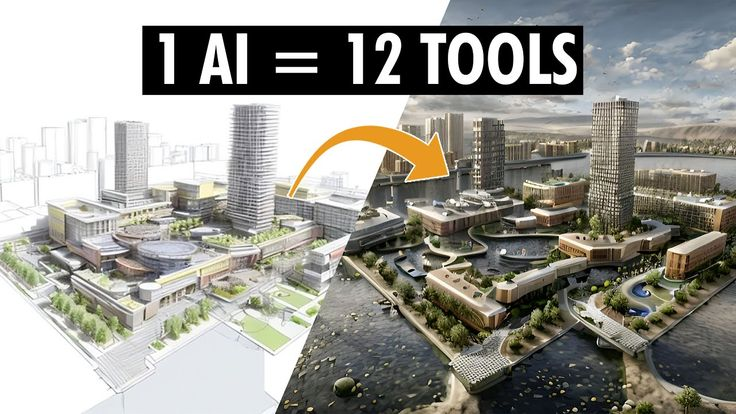
Chapter 5: Real-World Examples from 2025
Here are firms and platforms already leading the AI-Cloud revolution:
● Zaha Hadid Architects – Using generative design for fluid forms and parametric modeling powered by machine learning.
● BIG (Bjarke Ingels Group) – Deploying AI in urban planning to simulate infrastructure impact and sustainability.
● Sidewalk Labs (Alphabet) – Built entire smart neighborhoods with AI-based zoning and climate-sensitive massing.
● India’s TATA Projects – Integrated drone surveys, cloud BIM, and predictive maintenance in infrastructure design.
● Mysuru’s AI-urbanism startup – Metrik – An Indian example where AI predicts walkability, sunlight angles, and HVAC loads across city grids.
Chapter 6: The Upskilling Imperative – What Architects Must Learn Now
To survive and thrive in this new era, architects must relearn the toolbox.
● Programming Basics – Python, Grasshopper (Visual scripting), Dynamo.
● Data Analytics – Understanding how to extract and interpret building and behavioral data.
● AI-assisted Tools – Know how to use Midjourney, DALL·E, and Spacemaker.
● Cloud Platforms – Proficiency in BIM 360, Revit Cloud, Trimble, and Graphisoft.
● UI/UX Design – As buildings become smarter, the architect’s work overlaps with interface design.
📌 By 2025, hiring managers at top firms are prioritizing AI-literacy as much as design portfolios.
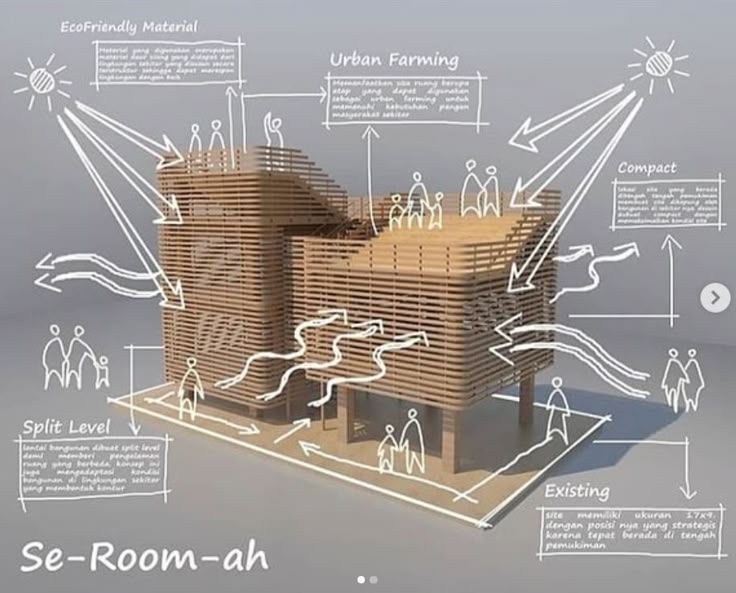
Chapter 7: The Ethical Dilemmas of AI in Architecture
With great power comes great… confusion.
● Bias in AI-generated neighborhoods – Do algorithms reflect colonial mindsets or inclusive design?
● Data Surveillance in Smart Homes – Should architects design with privacy in mind?
● Job Displacement – Will junior architects lose their roles to machines?
The AI Architect of 2025 must balance automation with ethics, efficiency with empathy.
Chapter 8: Indian Context – How India Is Adopting AI in Architecture
India isn’t lagging — it’s experimenting boldly:
● Startups in Bangalore and Hyderabad are deploying AI for low-cost housing massing.
● Smart Cities Mission is integrating GIS data, AI traffic modeling, and cloud urban dashboards.
● Academic institutions like CEPT and SPA Delhi are introducing AI, generative design, and urban data analysis into curriculum.
● Architects in Tier-2 cities (like Ambala, Indore, Bhubaneswar) are embracing cloud BIM to coordinate across long distances.
📌 India’s opportunity?
To leapfrog into sustainable, scalable design solutions for millions using AI + cloud power.

Chapter 9: What Architects Will Look Like in 2030 (and Beyond)
Let’s forecast a bit…
● “No-code designers” – Architects using simple UI to work with powerful backend AI.
● “Sensor architects” – Designing not just spaces, but sensor interactions and behavior loops.
● “Building psychologists” – Using behavioral data to design mood-boosting spaces.
● “Meta-space designers” – Creating for virtual environments and augmented reality.
The office of the future might just be a headset and a cloud login.
Conclusion: The Soul of the Architect Still Matters
Despite all this technology, one thing remains true:
Architecture is about people.
And machines, no matter how powerful, cannot replace empathy, storytelling, and aesthetic judgment.
AI is a tool — not a replacement. Cloud is a canvas — not the painter.
The Architect of Tomorrow must be both human and machine-literate.
👉 In this evolving world, the most successful architects won’t be the ones who fight technology — but those who shape it with purpose.
Key Takeaways
● AI is no longer an experiment; it’s embedded in everyday architectural workflows.
● Cloud computing enables real-time, multi-stakeholder design evolution.
● Architects are transitioning into strategic, tech-savvy collaborators.
● India is becoming a fertile ground for AI-driven architecture innovation.
● Ethics, empathy, and storytelling still define great architecture — not just code.
Need Help Adapting to AI in Architecture?
Whether you’re a client, startup, or studio in India, I can help you integrate AI, cloud BIM, and smart design strategies into your practice.
📩 Reach out to me at:
✉️ contact@mishulgupta.com
📱 +91-94675-99688
🌐 www.mishulgupta.com
Let’s design the future — together.